- Status: Running
- Location: Katosi, Uganda
- Project: 42 Rainwater harvesting tanks, 2 boreholes and 36 biosand water filters
- Number of people: 3486
- Local Partner: Katosi Women Development Trust
Clean water for communities around Lake Victoria
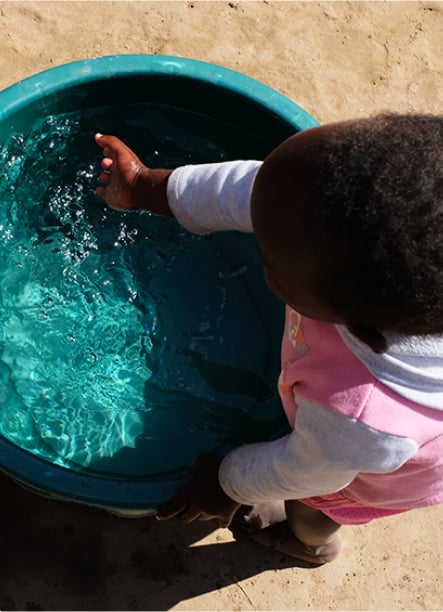
Together with Katosi Women Development Trust (KWDT), we support a project to improve access to clean and safe drinking water for rural and fishing communities around Lake Victoria in Uganda. In these communities, access to safe water remains limited, affecting the health and daily lives of families and particularly placing a burden on women and children.
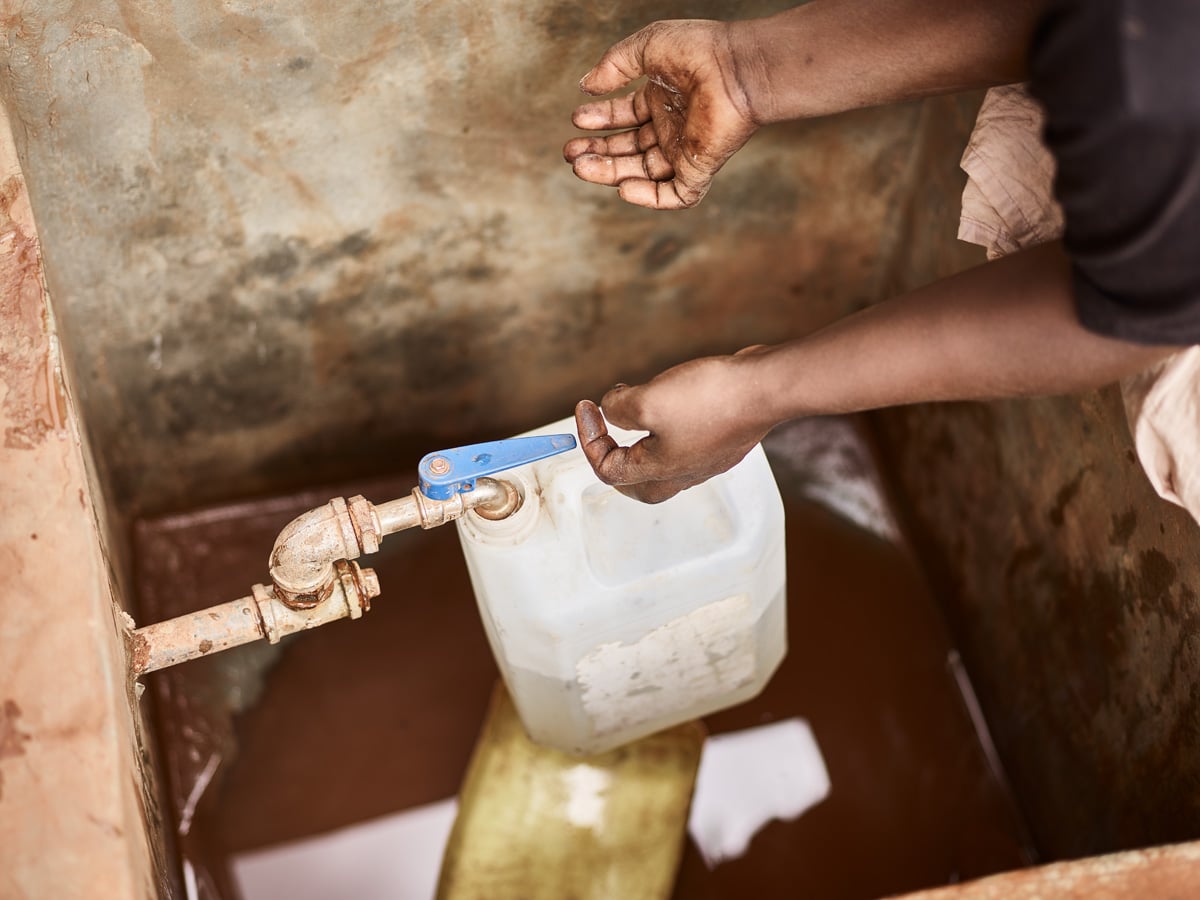
The project will provide rainwater harvesting systems for households and six schools, construct two new community boreholes and rehabilitate five existing boreholes. Households will also receive biosand filters to further improve the quality of their drinking water. Together, these solutions are expected to improve access to clean water for approximately 3,486 people across three districts.
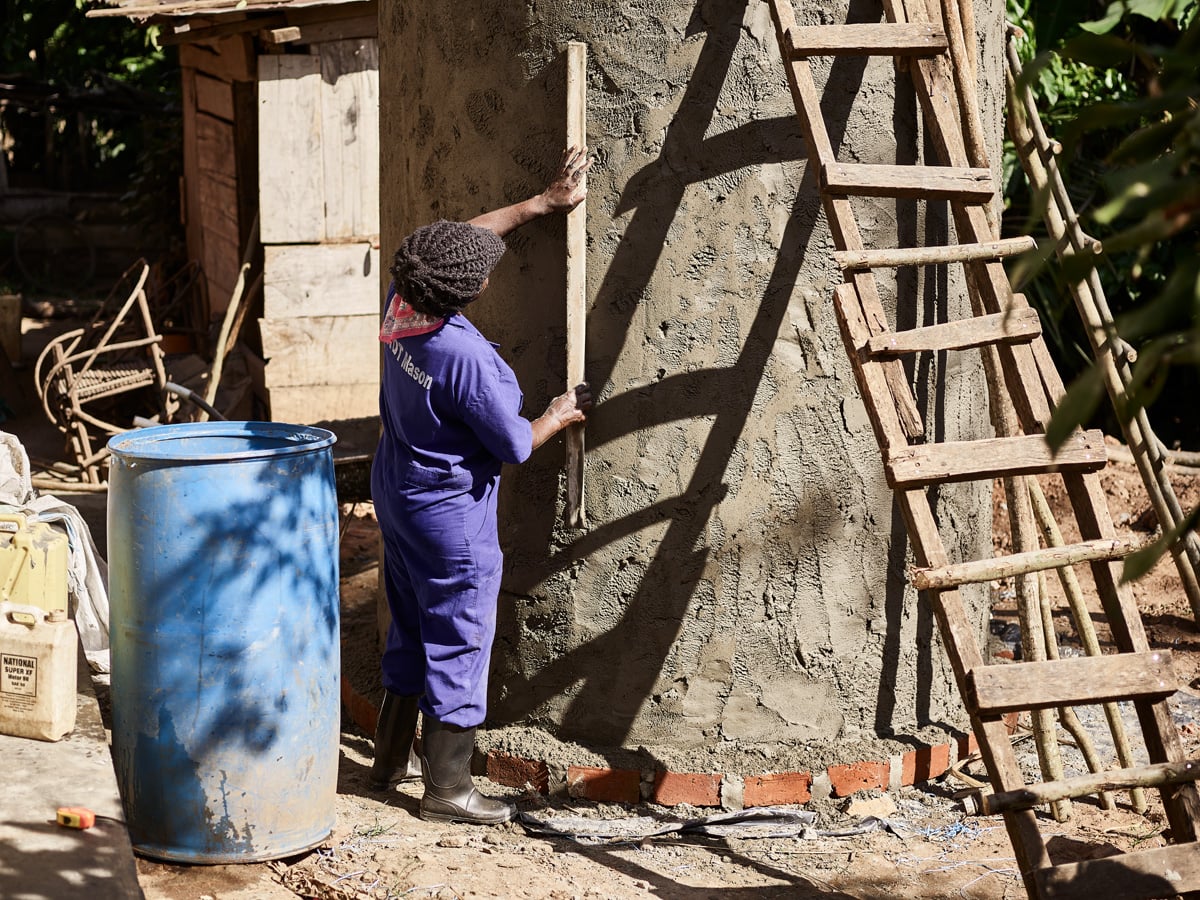
To help ensure long-term impact, the project goes beyond building water infrastructure. Local masons and water user committees will be trained to maintain and manage the water systems, while local women’s groups play an important role in community engagement, monitoring and accountability. In this way, the project aims to create locally managed and sustainable access to clean water for households, schools and communities.
Katosi Women Development Trust
Katosi Women Development Trust (KWDT) is a Ugandan non-profit organization that has been working with rural and fishing communities for over 25 years. By organizing and empowering local women, KWDT works to improve access to clean water, sanitation and hygiene, while strengthening the social and economic position of women and their communities.
Today, KWDT works with 1,350 women across 54 groups in the districts of Mukono, Kalangala and Buvuma around Lake Victoria. Through these locally rooted women’s groups, KWDT helps communities develop, manage and maintain sustainable water solutions, creating long-term impact beyond the infrastructure itself.